

The Seasonal Home Comfort Playbook for Coastal Homes
Smart Seasonal Strategies for Reliable Comfort
Living near the coast brings salt air, humidity, and quick-changing temperatures that test every part of a home’s comfort system. A thoughtful plan for heating, cooling, plumbing, and electrical essentials keeps energy use steady and indoor air healthy. The right mix of maintenance and timely upgrades helps avoid surprise breakdowns, whether the goal is cool, dry air in August or steady, safe heat in January. Homeowners who plan ahead with services like AC Maintenance, Heating Repair, and Lighting improvements experience fewer disruptions and steadier comfort all year.
Spring: Fresh Air and AC Readiness
Spring is the ideal time to focus on airflow and moisture control. Schedule AC Maintenance to check refrigerant levels, clean coils, and ensure thermostats communicate properly with the system. Have Ductwork inspected for leaks and buildup that restrict airflow and raise utility bills. Early attention to these fundamentals reduces strain during the first heat wave. Consider Heat Pumps for efficient shoulder-season comfort; they can provide gentle heating on cool mornings and switch to cooling as afternoons warm up.
Summer: Cooling Efficiency and Indoor Air Quality
High humidity makes a home feel warmer than the thermostat suggests, and it can stress cooling equipment. Stay ahead with routine AC Repair when early signs appear—unusual noises, warm spots, or short cycling. If an older system struggles to maintain set temperatures, AC Installation may be worth exploring for improved efficiency and quieter operation. Keep Ductwork balanced so each room receives consistent airflow, and make sure condensate drains are clear to prevent moisture issues. Strategically placed Lighting reduces heat gain from older, inefficient fixtures and improves comfort without overworking the AC.
Fall: Heat Cycle Preparation and Safety
As temperatures moderate, shift focus to heating performance. Schedule Heating Repair or a tune-up to verify ignition performance, airflow across the heat exchanger, and safety controls. This is also a smart time to check Water Heater Repair needs, such as inconsistent temperatures or slow recovery, before holiday use increases demand. If your home uses a gas furnace, proactive service can prevent nuisance shutdowns during the first real cold snap. For homes using Heat Pumps, confirm defrost cycles work properly and that thermostats are set up for efficient dual-stage operation.
Winter: Reliability When It Matters Most
When the cold settles in, steady heat and safe operation are top priorities. Timely Heating Repair keeps systems running smoothly, and homeowners who plan for FURNACE REPAIR CHARLESTON before peak demand often secure faster scheduling and more predictable comfort. Good insulation and sealed Ductwork help retain warmth, while proper Lighting increases safety around steps and exterior walkways during longer nights. If plumbing sees heavier seasonal use, watch for slow drains; prompt Drain Cleaning prevents backups that can complicate winter routines.
Year-Round Essentials: A Practical Checklist
Use this actionable list to keep comfort systems efficient and dependable throughout the year:
1) Schedule AC Maintenance and heating tune-ups before seasonal peaks to prevent breakdowns.
2) Inspect Ductwork for leaks, kinks, and debris that restrict airflow and raise energy use.
3) Address AC Repair or Heating Repair at the first sign of trouble to avoid costlier fixes.
4) Consider AC Installation or Heat Pumps when an older unit struggles to meet demand or runs loudly.
5) Keep Water Heater Repair on the radar if you notice fluctuating temperatures or slow hot-water delivery.
6) Prioritize Drain Cleaning for slow sinks, showers, or recurring clogs to protect pipes and fixtures.
7) Upgrade Lighting to efficient fixtures and add task lighting where it enhances comfort and safety.
8) Plan professional Electrical work for panel evaluations, surge protection, and code-compliant upgrades.
A home’s comfort relies on many parts working in harmony. From smart spring maintenance to winter safety checks, consistent care ensures dependable performance, healthier air, and steady energy use. By coordinating HVAC tune-ups, keeping drains clear, and planning targeted Electrical work and Lighting updates, homeowners can enjoy a resilient, comfortable living space in any season.
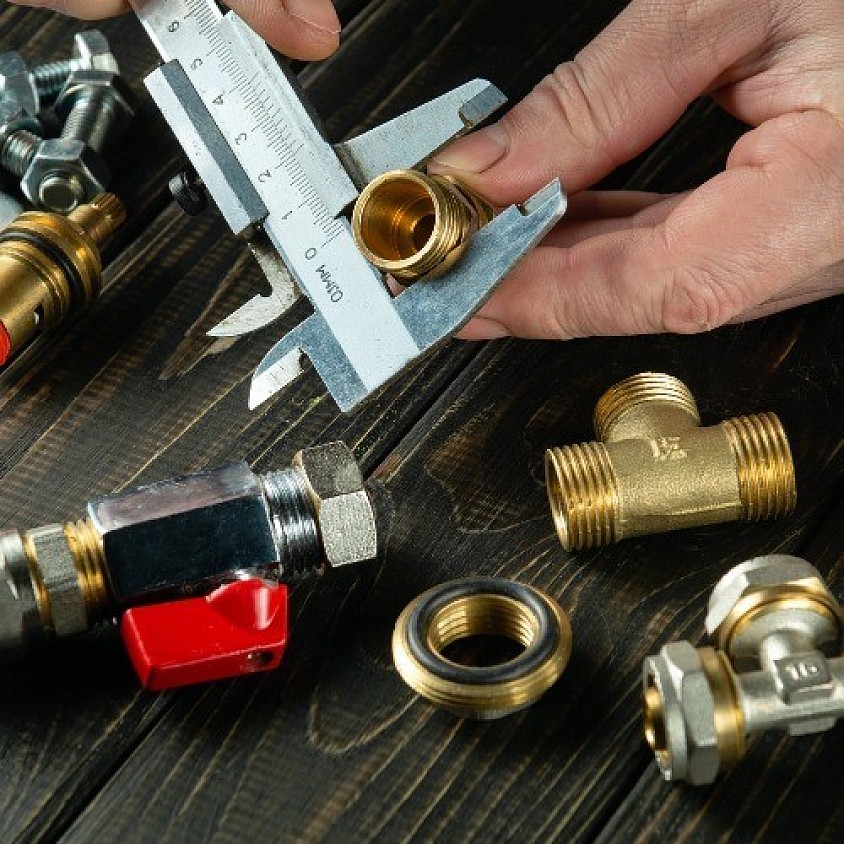
Energy-Smart Home Comfort: Seasonal HVAC, Plumbing, and Electrical Tips for Coastal Homes
The Seasonal Rhythm of Home Systems
Living by the coast means humidity, salt air, and sudden weather shifts put extra stress on your home’s comfort systems. A smart, seasonal strategy helps protect performance, reduce energy waste, and extend equipment life. When summer heat rolls in, many homeowners turn to timely service and local know-how—ac repair charleston—because quick, reliable fixes matter when the temperature spikes.
Cooling Essentials for Long, Humid Summers
Air conditioners work hardest during peak humidity, so preventive steps pay off. Schedule AC Maintenance before the first real heat wave to verify refrigerant levels, inspect coils, and test blower performance. If you’re facing frequent breakdowns or rising electric bills, discuss AC Installation options that match your home’s size and efficiency goals. Prompt AC Repair can resolve airflow issues, odd noises, or short cycling before they escalate into major problems or energy waste.
Heat Pumps and Heating Readiness
Heat Pumps offer efficient cooling and heating in one system, but they still need seasonal attention. In fall, test your heat mode well before the first chilly night. If the system struggles to keep up or emits unusual odors, it’s time to consider Heating Repair. Keeping the outdoor unit clear of debris and salt spray is particularly important near the coast; gentle rinsing and proper clearance help maintain heat transfer and airflow.
Airflow, Filters, and Ductwork
Balanced airflow is the backbone of steady comfort. Change filters on a regular schedule to limit dust buildup and pressure drops. Ductwork should be inspected for gaps, kinks, or damaged insulation, especially in attics or crawl spaces where moisture is common. Sealing leaks helps distribute conditioned air evenly, reduces strain on equipment, and can improve indoor air quality by limiting infiltration from dusty or damp areas.
Water Systems and Drain Protection
Humidity and temperature swings can influence plumbing performance, too. Water Heater Repair may be needed if you see inconsistent hot water, leaks around the base, or rusty discoloration at the tap. As storms push debris into lines, slow sinks or gurgling fixtures can hint at clogs that call for professional Drain Cleaning. Staying ahead of these issues prevents water damage while preserving everyday comfort.
Safer, Brighter Electrical Upgrades
Reliable electrical work supports all your comfort systems. If lights flicker under load or you’re adding high-demand appliances, have a licensed pro evaluate circuits and connections. Proper grounding and modern components help safeguard sensitive HVAC electronics. Strategic Lighting upgrades—such as cooler-running, efficient fixtures—can reduce heat gain indoors and brighten workspaces where maintenance tasks occur.
A Practical Seasonal Checklist
1. Replace or clean HVAC filters according to the manufacturer’s guidance, and more often during peak pollen or construction seasons.
2. Schedule AC Maintenance ahead of summer; follow up with Heating Repair checks or heat pump servicing in the fall.
3. Inspect Ductwork for leaks, crushed sections, or missing insulation; seal and insulate to stabilize temperatures and improve efficiency.
4. Clear vegetation and debris at least a couple of feet from outdoor condensers and heat pumps for unobstructed airflow.
5. Test thermostat settings and modes; consider a programmable or smart control to align comfort with daily routines.
6. Look for early signs of Water Heater Repair needs, like popping noises, lukewarm water, or moisture near the tank.
7. Arrange Drain Cleaning if multiple fixtures slow at once or you notice recurring backups after heavy rain.
8. Have a qualified electrician assess panels, connections, and critical circuits; verify outdoor Lighting and GFCI protection in damp areas.
Planning for Longevity
Consistency matters more than quick fixes. Pair seasonal tune-ups with prompt attention to unusual sounds, odors, or performance swings. Keep records of service dates, filter sizes, and part replacements to guide future decisions, including when AC Installation or component upgrades make sense. With thoughtful care, your cooling, heating, plumbing, and electrical systems will handle coastal conditions gracefully, keeping energy use in check and comfort steady from season to season.
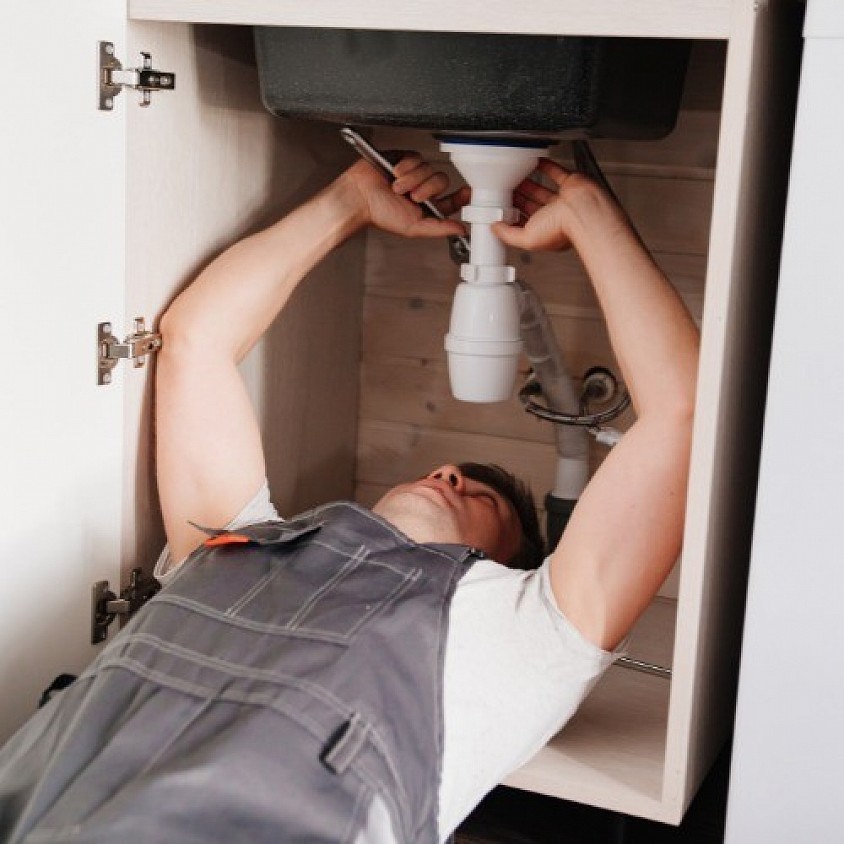
Coastal HVAC and Electrical Trends for Year-Round Comfort in the Lowcountry
Smart Thermostats and Zoning
Southern coastal homes juggle steamy summers, storm season, and the occasional winter chill. Smart thermostats paired with zoning help manage these swings by sending the right amount of conditioned air to each room. When combined with AC Maintenance and regular filter changes, zoning reduces hot and cold spots and eases strain on equipment. In larger homes or additions, it also complements Ductwork improvements, allowing technicians to balance airflow and seal leaks that waste energy.
Right-Sizing and High-Efficiency AC
Sizing an air conditioner isn’t guesswork. Oversized systems short-cycle and miss humidity control; undersized units struggle all day. A professional load calculation prevents these pitfalls and guides AC Installation that fits your home’s square footage, insulation, window exposure, and air leakage. Pairing a properly sized system with variable-speed technology and scheduled AC Repair when needed keeps summer comfort consistent without spiking utility bills. Pro tip: coil cleaning and clear condensate lines are simple steps that support overall efficiency.
Heat Pumps for Versatility
Modern Heat Pumps deliver efficient cooling and reliable heating in one package, making them ideal for the Lowcountry. In cooling mode, they wring out humidity; in heating mode, they offer steady warmth without the dry blast of electric strip heat. Ducted and ductless options allow flexibility for bonus rooms, sunrooms, and historic properties where running new ductwork can be tricky. If a cold snap hits, homeowners often rely on supplemental Heating Repair or backup heat strips to maintain comfort, and service scheduling ahead of peak season helps prevent surprises.
Indoor Air Quality and Moisture Control
High humidity can foster allergens and condensation. Addressing Ductwork leaks, sealing returns, and verifying proper refrigerant charge reduces clammy air. Add-ons like whole-home dehumidifiers or enhanced filtration improve indoor air quality alongside routine AC Maintenance. Kitchens and baths benefit from quiet, efficient exhaust fans that vent outdoors, protecting finishes and keeping odors at bay. Attention to moisture control also supports Water Heater Repair longevity by preventing corrosion around storage tanks and piping.
Electrical Readiness and Lighting Upgrades
HVAC and Electrical work go hand-in-hand. An aging electrical panel can struggle with the demands of a new air handler, heat pump, or EV charger. Upgrading panels and adding dedicated circuits prepare your home for modern loads and improve safety. Thoughtful Lighting design—LED recessed cans, task lights, and exterior fixtures—elevates comfort and security while trimming energy use. Surge protection shields HVAC controls and smart home devices during storm season, helping avoid costly downtime and data loss.
Seasonal Preparedness Checklist
- Schedule pre-summer AC Maintenance and a fall Heating Repair inspection
- Seal and insulate Ductwork; verify proper airflow at each register
- Test smart thermostats, sensors, and Wi‑Fi connectivity
- Flush condensate lines; replace filters every 1–3 months
- Review electrical panel capacity before major upgrades
- Add LED Lighting and exterior fixture maintenance to your to-do list
Service Planning and Local Considerations
Salt air, pollen, and frequent thunderstorms create a unique maintenance environment. Routine checks catch corrosion on outdoor units, weak capacitors, or pitted contactors before they fail during peak heat. For older homes, a blended approach—targeted AC Repair, ventilation tweaks, and incremental electrical upgrades—can deliver big gains without a full system overhaul. And when a brief cold spell arrives, homeowners often search for furnace repair charleston to restore heat quickly, especially in homes with hybrid systems that pair heat pumps with gas furnaces.
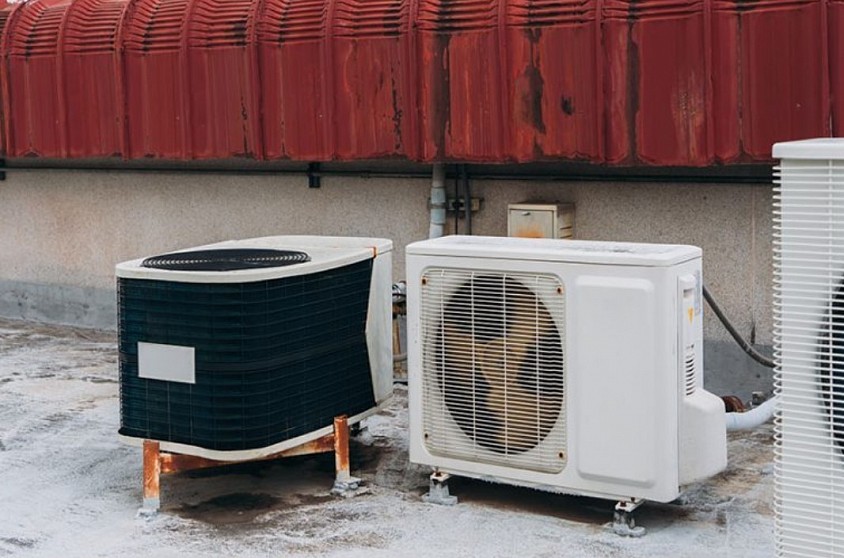
Keeping Cool in Coastal Climates: Insights From the Air Conditioning Repair Service Field
Coastal humidity, salt-laden air, and long cooling seasons place unique demands on residential HVAC systems. In the air conditioning repair service field, technicians often emphasize proactive habits that protect equipment, stabilize comfort, and curb unexpected breakdowns. The following points outline practical considerations homeowners can apply to maintain steady performance, reduce wear, and plan smartly for long-term efficiency—especially in warm, moisture-heavy regions where an air conditioner does the heavy lifting day after day.
1. Prioritize airflow with regular filter care
Restricted airflow strains vital components and undermines efficiency. A clogged filter can cause temperature swings, extended run times, and premature system wear. Choose the right filter type for your home’s needs, check it frequently during peak season, and replace it on a consistent schedule. Proper filtration not only supports healthier indoor air but also keeps coils cleaner, helps maintain correct refrigerant pressures, and reduces the likelihood of repair calls driven by airflow-related issues.
2. Keep outdoor units clear and corrosion-aware
The condensing unit must breathe freely to move heat outdoors. Trim vegetation at least a couple of feet away, clear debris after storms, and visually inspect the coil fins. In coastal zones, salt exposure can accelerate corrosion; gentle rinsing with a garden hose helps remove residue that interferes with heat transfer. Avoid harsh chemicals or high-pressure sprayers that bend fins. Consistent attention to the outdoor unit improves energy use, reduces operating temperatures, and extends component life.
3. Balance humidity for comfort and system health
When indoor humidity rises, comfort suffers even at cooler thermostat settings. Prolonged moisture can also encourage microbial growth on coils and in drain pans. Ensure the condensate line remains unobstructed, the drain pan is clean, and the system can dehumidify effectively. If rooms feel clammy, consider whether duct leakage or oversized equipment is contributing to short cycling. Balanced humidity promotes steadier comfort, supports indoor air quality, and minimizes moisture-related maintenance.
4. Listen for early warning sounds
Subtle changes often precede larger failures. Rattles can signal loose panels or hardware, buzzing might indicate an electrical concern, and hissing could suggest a refrigerant issue. Addressing these cues early helps prevent cascading problems such as motor overheating or compressor stress. Document what you hear, when it occurs, and any related symptoms like breaker trips or uneven cooling. Clear descriptions help technicians diagnose efficiently and focus on the root cause.
5. Calibrate thermostats and verify settings
Smart controls are helpful, but only when configured correctly. Confirm that your thermostat is level (for older models), placed away from direct sunlight or heat sources, and programmed with realistic schedules that match household routines. Small setpoint adjustments can smooth cycling and reduce peak demand. For homes with zoning, verify that dampers open and close as intended so each area receives the airflow it needs without overworking the equipment.
6. Plan upgrades with a long-view strategy
System decisions are easier when guided by a whole-home perspective. Duct condition, insulation levels, window performance, and air sealing all influence the load your equipment must handle. When considering a replacement or capacity change, a professional load evaluation helps align equipment size with the home’s actual needs. For homeowners exploring AIR CONDITIONING INSTALLATION CHARLESTON options, pairing right-sized equipment with sound duct design and moisture management creates reliable comfort in humid seasons.
7. Protect coils and compressors through routine checks
Evaporator and condenser coils perform best when clean and unobstructed. Dirt buildup reduces heat exchange, forcing longer run times and stressing compressors. During maintenance, ask technicians to inspect coils, electrical connections, fan blades, and capacitors, and to verify refrigerant charge according to manufacturer guidelines. These basics prevent many common breakdowns, steady operating costs, and preserve consistent comfort throughout the most demanding months.
Sustained performance in coastal climates comes from attentive habits and timely tune-ups. By protecting airflow, controlling humidity, keeping components clean, and planning upgrades with the entire home in mind, homeowners can minimize disruptions and enjoy steady, efficient cooling season after season.
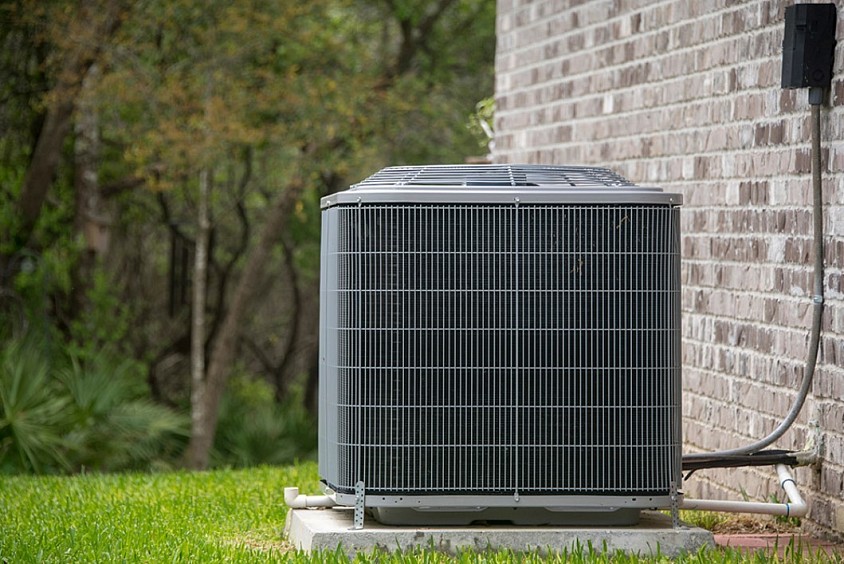
Smart Strategies for Fast, Effective AC Fixes in Coastal Climates
When heat and humidity climb, households expect their cooling systems to deliver comfort without hesitation. Timely, professional attention keeps equipment dependable, efficient, and ready for long stretches of warm weather. For homeowners along the coast, salt air and frequent storms add extra pressure on components, making proactive steps and prompt service essential. Here are practical insights that help you navigate challenges, make informed decisions, and get the most from your system, especially when scheduling AC repair Charleston during peak demand.
1. Identify early warning signs
Unusual noises, weak airflow, inconsistent temperatures, frequent cycling, and rising energy bills often precede breakdowns. Musty or burning odors, ice on refrigerant lines, and water around the air handler signal problems that need immediate attention. Acting at the first hint of trouble prevents minor issues from escalating into costly failures and helps maintain comfort during the hottest weeks.
2. Understand the coastal climate effect
Salt-laden air accelerates corrosion on outdoor units, deteriorating fins, coil surfaces, and hardware. After severe weather, debris can lodge in fan blades or dent coil fins, restricting airflow. Scheduling inspections and cleanings on a regular basis reduces salt buildup, protects the cabinet and coil, and keeps heat transfer strong. Simple steps like rinsing the condenser with low-pressure water between visits can help combat corrosion without damaging delicate fins.
3. Keep airflow the priority
Proper airflow is the backbone of cooling performance. Dirty filters choke the system, leading to freezing coils, higher energy use, and comfort complaints. Replace or clean filters monthly during heavy use and ensure return vents are clear of furniture or drapes. Outdoors, keep at least a couple of feet of clearance around the condenser and trim vegetation often. Good airflow reduces strain on the compressor and extends system life.
4. Seal ducts to protect efficiency
Leaky ducts waste cooled air in attics and crawlspaces, making rooms hotter and bills higher. Signs include dust buildup around vents, rooms that never feel right, and hissing sounds near joints. Professional sealing with mastic or UL-listed tapes, along with insulation where needed, improves comfort and reduces runtime, helping your equipment operate within its intended range.
5. Match repairs to system age and condition
When a unit is newer and generally sound, targeted fixes—capacitors, contactors, fan motors, or sensors—restore reliability quickly. For aging systems with frequent failures or outdated refrigerant types, a technician may discuss long-term options. A thorough evaluation weighs repair costs, energy consumption, remaining lifespan, and comfort goals so you can decide whether to proceed with another repair or plan a future upgrade.
6. Protect electronics and refrigerant health
Voltage fluctuations from storms can damage control boards and compressors. Surge protection tailored to HVAC systems helps defend against sudden spikes. Meanwhile, refrigerant concerns often trace back to leaks or airflow problems. If performance drops, a qualified check will verify charge levels, inspect for leaks, test superheat/subcooling, and confirm metering device operation. Accurate diagnostics ensure that refrigerant adjustments are done correctly and safely.
7. Clean coils and condensate paths
Coils coated with dirt or salt reduce heat exchange and force longer runtimes. Regular cleaning restores efficiency and stabilizes indoor temperatures. Don’t overlook the condensate line and pan—clogs cause overflows, odors, and potential water damage. A technician can clear lines, treat for algae, and verify float switches or safety sensors are working properly.
8. Optimize thermostats and schedules
Smart or programmable thermostats reduce waste without sacrificing comfort. Proper placement away from heat sources and sunlight prevents false readings. Use temperature setbacks during work hours and nights, but avoid drastic swings that push the system to overwork on recovery. Calibrations and correct wiring keep staging and fan settings aligned with your equipment’s design.
9. Prioritize indoor air quality
Cooling and clean air go hand in hand. High humidity fosters microbial growth and discomfort. Consider humidity control strategies, filtration improvements, and ventilation adjustments. These measures lighten the cooling load, support steady temperatures, and help sensitive occupants breathe easier—especially during long summers when systems run continuously.
10. Schedule timely service when demand peaks
During hot spells, quick attention is vital. Secure appointments early, describe symptoms clearly, and note any recent changes like electrical work, landscaping near the condenser, or unusual noises. Professional diagnostics, followed by precise repair, restore comfort efficiently. For many homeowners, planning maintenance before the first heat wave prevents surprises and keeps response times short—another reason to book AC repair Charleston before summer is in full swing.
With early detection, consistent maintenance, and skilled repair, your cooling system can handle long, humid seasons with fewer interruptions, better comfort, and improved efficiency.